Make Every Square Foot Work Harder
Today we dive into space planning strategies that cut costs in studio apartments, turning tight footprints into flexible, livable, and efficient homes. With smart measurements, adaptable furniture, and clever storage, you can spend less, waste nothing, and enjoy more. Expect practical checklists, field-tested layouts, and small upgrades that deliver outsized returns. Share your wins, ask questions, and subscribe for weekly ideas tailored to renters, first-time owners, and anyone designing beautifully on a budget.

Start With a Tape Measure and a Plan
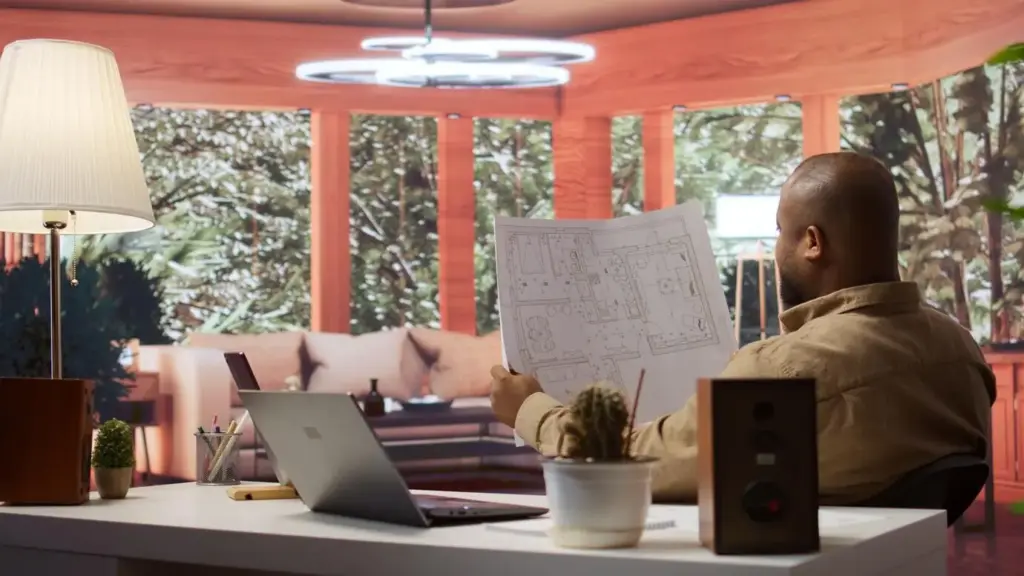
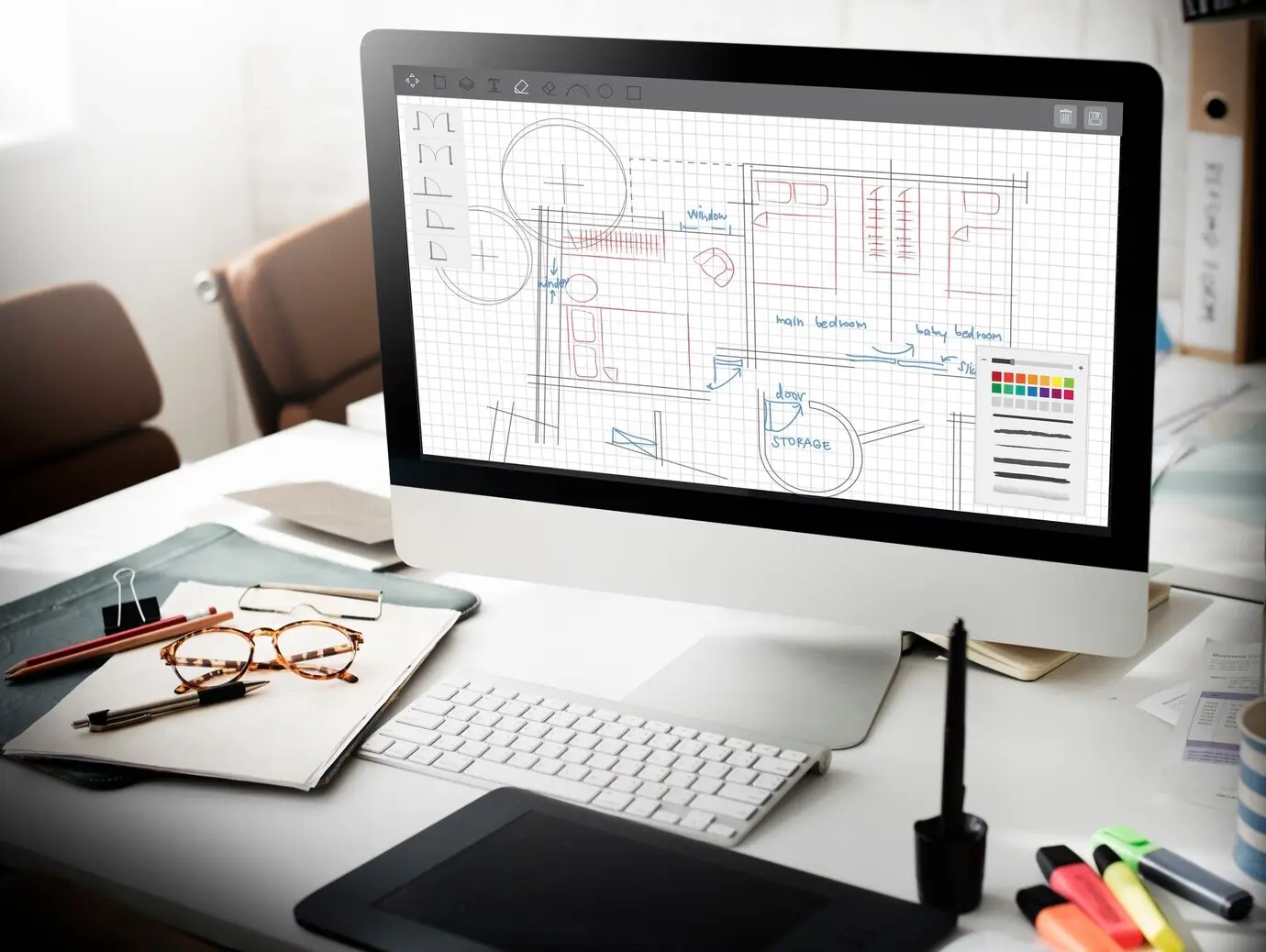
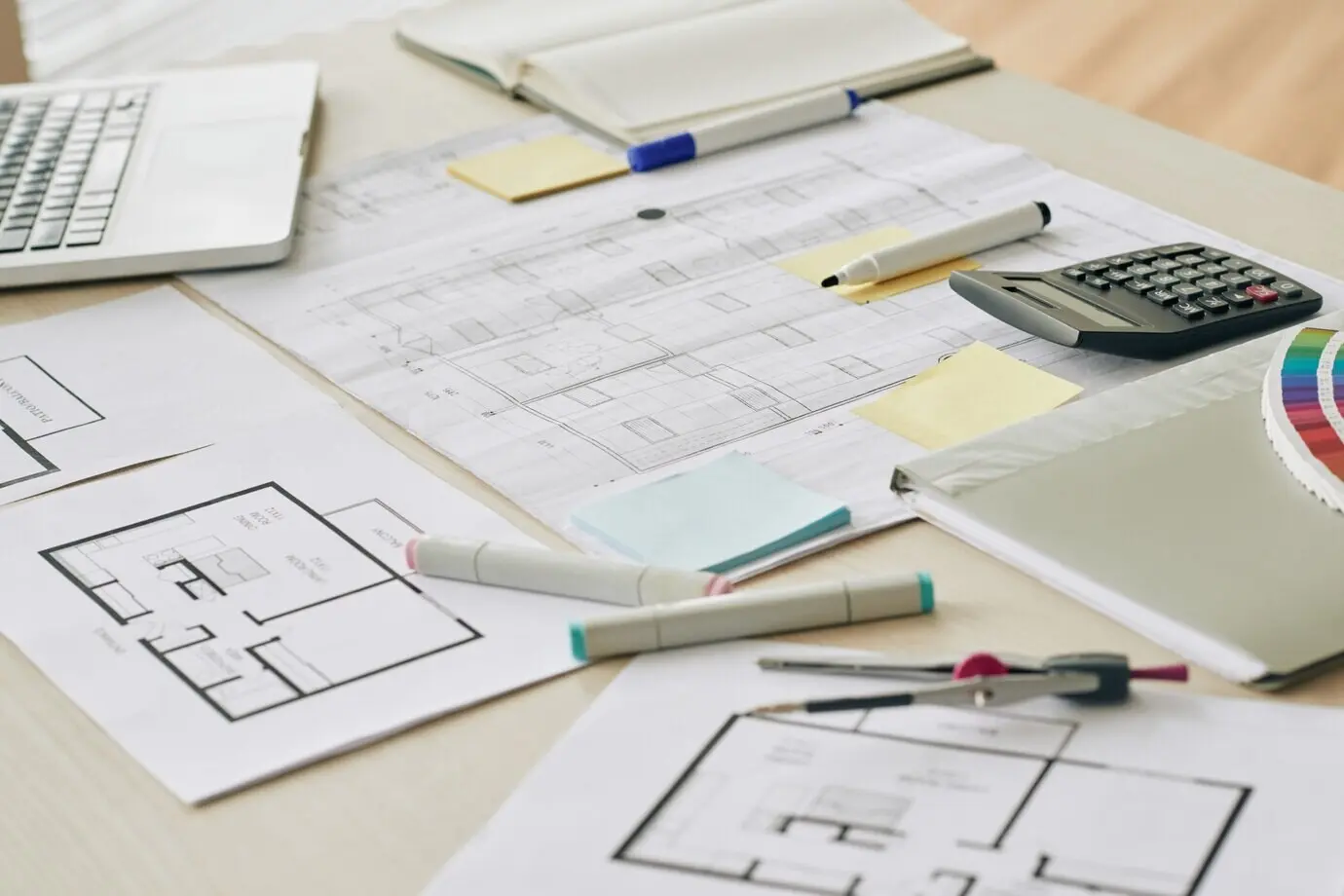
Great studios begin with precise measurements and a realistic furniture footprint. By mapping walls, doors, outlets, radiators, and window swings, you avoid costly returns and clutter. A simple scale sketch exposes bottlenecks, preserves daylight paths, and reveals hidden corners where compact pieces can shine.
Room Mapping That Prevents Expensive Mistakes
Trace every boundary, note ceiling heights, and measure obstacles like baseboards or uneven walls before ordering anything. Record appliance depths and hinge clearances too. This disciplined inventory keeps sofas from blocking fire exits, ensures delivery fits elevators, and saves money otherwise lost to returns.
Circulation Paths You Won’t Trip Over
Lay out 30–36 inches for primary walkways and 18–24 inches for secondary routes, scaling by your needs. Protect swing zones for doors, oven fronts, and desk chairs. Clear circulation shortens cleaning time, reduces accidents, and lets smaller furniture serve more functions.
Rugs and Ceiling Lines
Anchor each zone with a rug sized to fit its task, leaving consistent edges for neat circulation. Align pendant lights or track bars with rug edges to reinforce separation. This visual structure allows multifunction pieces to coexist without crowding, saving square footage and cash.
Open Shelving as Soft Dividers
Place backless shelves between bed and lounge so daylight flows while lines of sight screen clutter. Store everyday items at mid height and lighter decor higher. You gain display, storage, and separation in one purchase, replacing multiple costly cabinets or partitions altogether.
Curtains, Screens, and Sliding Panels
Ceiling-mounted curtains, shoji screens, or lightweight sliders carve privacy on demand without permits. Choose fire-safe fabrics and add blackout liners near beds. Hardware costs a fraction of framing, and mobility lets the same square footage flex for work, guests, and quiet recovery.
Over-Door and High-Above Solutions
Install shelves fixed into studs above door frames for seldom-used gear, seasonal bedding, and luggage. Add labeled bins for quick retrieval and safety straps for quakes. Keeping bulky items aloft frees floor space for compact seating, allowing smaller, cheaper sofas to serve comfortably.

Under-Bed and Sofa Bases
Choose frames with integrated drawers or lift-up platforms to store linens, shoes, and archives. Vacuum bags reduce volume further. By relocating storage under existing furniture, you avoid buying extra dressers, maintain clearer sightlines, and reserve budget for quality mattresses and ergonomic seating.
Fold-Flat, Stackable, and Collapsible Gear
Opt for stools and dining chairs that nest, folding drying racks, and collapsible bins. These pieces appear only when needed, leaving precious space open the rest of the time. Fewer permanent fixtures means fewer purchases, simpler cleaning, and significantly lower long-term replacement costs.
Multifunctional Pieces That Pay for Themselves
Convertible furniture compresses roles so you buy less and use every inch better. When one piece handles sleeping, seating, or dining, you avoid redundant purchases and reduce clutter. Durable mechanisms and timeless finishes also extend service life, reducing future spending and environmental impact.

Layered Lighting on a Budget
Combine task lamps, dimmable LED strips, and a single efficient overhead to shape zones without partitions. Clip lights under shelves brighten counters affordably. Consistent color temperature ties everything together, so smaller furnishings read deliberate, not scarce, supporting comfort and cutting both purchase and energy costs.
Mirror Placement That Doubles Presence
Set a large mirror opposite your brightest window or beside a glossy backsplash to bounce light across zones. Tall mirrors behind dining tables amplify depth. Affordable thrifted frames work beautifully, proving that smarter positioning extracts performance without spending heavily on additional fixtures or renovations.
Smart Sourcing, DIY Upgrades, and Ongoing Savings
Spend strategically by mixing secondhand gems with durable new basics. Focus on pieces that adapt and repair easily. Simple DIY upgrades boost function, while maintenance habits extend life. Together these choices lower upfront costs, prevent waste, and keep your studio evolving gracefully over time.

All Rights Reserved.