Small-Space Transformations That Respect Your Wallet


Assessing the Space Like a Pro
Reading the Floor Plan
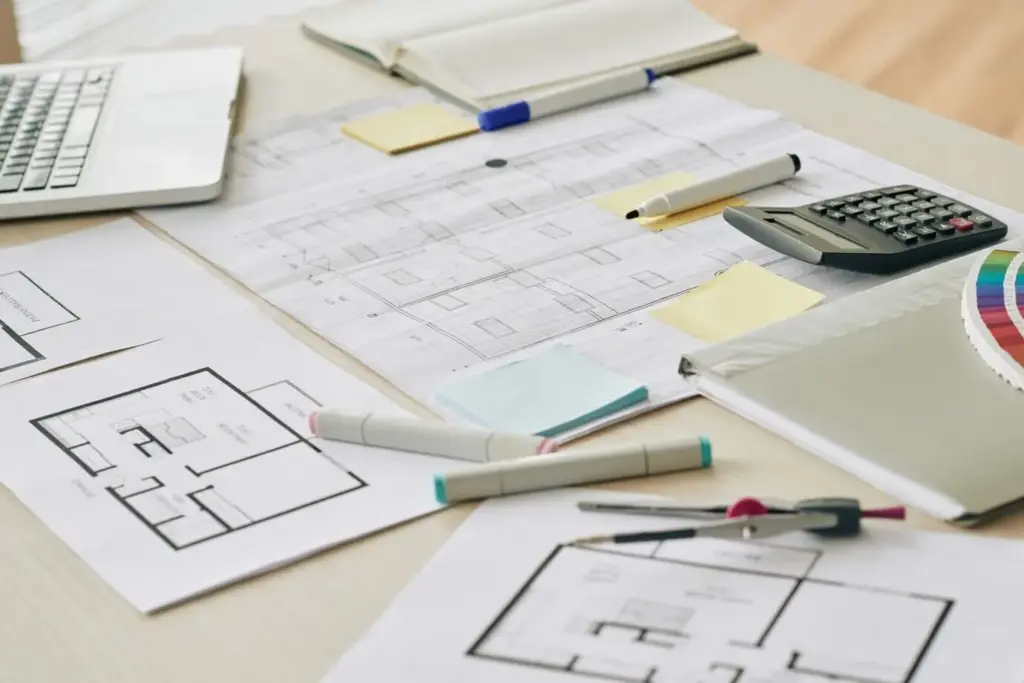
Trace how you move from entry to window and note bottlenecks, dead corners, and awkward radiators. Sketch major zones on paper, then overlay must-haves like dining for two or a quiet work nook. This deliberate mapping exposes hidden opportunities and helps you choose furniture that actually fits and functions every day.
Defining Constraints and Opportunities
List immovable elements—electrical panels, plumbing stacks, lease limitations—and counterbalance them with assets like tall ceilings, sunlight angles, or elegant baseboards. Constraints narrow options, but they also sharpen creativity, guiding you toward modular pieces, vertical storage, and materials that respect the building’s character while solving persistent layout pain points.

Budget Building That Actually Works
Creating a Zero-Based Makeover Budget

Cost vs. Value for Renters

Stretching Dollars with Phasing
Design DNA: Cohesion on a Shoestring

Secondhand Scores with Intention
Search for solid frames, real wood, and classic lines; ignore tired finishes you can refresh. Bring a tape measure and painter’s tape to mock sizes at home. Negotiate respectfully and factor transport costs. Thoughtful secondhand choices often outlast new bargains and introduce legacy details mass-market catalogues rarely replicate.
DIY That Pays Off
Target projects with high visual return: paint, hardware swaps, fabric panels, and simple trim. Learn one new skill per weekend to avoid burnout. Keep receipts, label screws, and document steps. Each refined detail compounds, making inexpensive foundations feel custom while teaching techniques you can apply in future homes.
When to Hire and When to Hack
Hire for safety-critical tasks like electrical work, heavy mounting, or antique refinishing. Hack lease-friendly problems with tension rods, furniture straps, and removable adhesives. Knowing your limits preserves both deposit and sanity, while reserving budget for professional help exactly where precision and long-term reliability truly matter most.
Renter-Friendly Transformations

Execution Blueprint and Timeline
Weekend-by-Weekend Roadmap
Tool Kit and Safety Basics
Quality Control and Reveal Ritual

All Rights Reserved.